Business Credit Building Strategies That Help Secure Better Equipment Financing

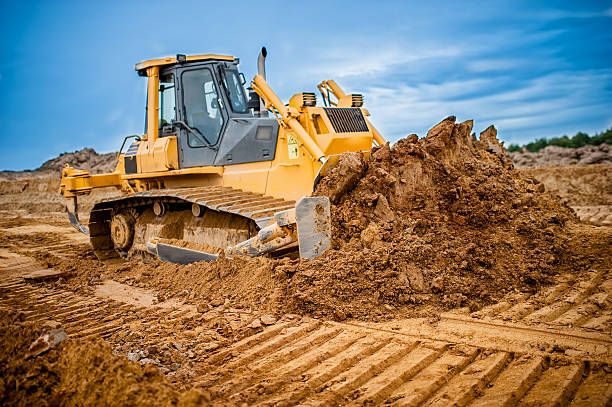
For growing businesses, access to equipment often determines how quickly they can expand operations, improve productivity, and stay competitive. Whether a company needs construction machinery, transportation vehicles, manufacturing equipment, medical devices, or technology systems, financing is often the most practical way to acquire these assets without draining cash reserves.
While many business owners focus on revenue, profitability, and personal credit scores, lenders frequently place significant weight on business credit. A strong business credit profile can improve approval odds, unlock larger financing amounts, reduce borrowing costs, and create opportunities for future growth.
Many businesses seek funding before taking the time to establish strong credit foundations. As a result, they may face higher rates, lower approval amounts, or stricter financing requirements. Understanding how business credit works and how it affects equipment financing can help business owners make smarter financial decisions and strengthen their long-term borrowing power. That's where a resource like Smart Business Credit can help, offering guidance and financing solutions tailored to businesses at every stage of growth.
Why Business Credit Matters More Than Many Owners Realize
Business credit acts as a financial reputation for your company. Lenders use it to evaluate risk and determine whether your business is likely to repay financing obligations on time.
When evaluating equipment financing applications, lenders often review:
- Business credit history
- Payment performance
- Existing debt obligations
- Revenue trends
- Time in business
- Industry stability
- Cash flow management
Companies that maintain strong credit profiles are often better positioned to qualify for favorable financing programs. Businesses exploring various funding opportunities should understand the different types of business credit funding solutions available to support expansion.
The Connection Between Business Credit and Equipment Financing
Equipment financing providers want assurance that borrowers can manage repayment responsibilities. Strong business credit demonstrates financial discipline and lowers perceived lending risk.
Benefits of strong business credit include:
- Faster approvals
- Higher financing limits
- Better repayment terms
- Reduced down payment requirements
- Lower interest rates
- Greater lender confidence
Businesses with established credit histories often have access to more competitive financing structures than companies with limited credit profiles.
Companies seeking funding for machinery, vehicles, or specialized assets can benefit from understanding available business equipment financing solutions before beginning the application process.
Understanding How Lenders Evaluate Business Credit
Business credit scoring differs from personal credit scoring. Commercial credit profiles focus on how a company manages financial obligations rather than personal borrowing habits.
Lenders commonly evaluate:
Payment History Consistent on-time payments demonstrate reliability and financial responsibility.
Credit Utilization Using excessive amounts of available credit may indicate financial strain.
Business Age Established businesses often present lower lending risks than newly formed companies.
Existing Debt High debt levels can affect financing capacity and approval decisions.
Financial Stability Revenue consistency and healthy cash flow help strengthen lender confidence.
Building a Strong Business Credit Foundation
Many businesses unintentionally limit financing opportunities because they never actively develop business credit. Fortunately, improving credit often starts with simple financial practices.
Separate Personal and Business Finances One of the first steps toward building business credit is creating a clear separation between personal and business financial activities.
This includes:
- Business bank accounts
- Business credit cards
- Separate accounting records
- Proper business registration
Maintaining separation creates more accurate financial records and helps establish a distinct business credit profile.
Establish Relationships With Vendors Many vendors report payment activity to business credit bureaus. Consistently paying vendor invoices on time can help strengthen commercial credit histories.
Monitor Credit Reports Regularly Errors on business credit reports can negatively impact financing opportunities. Reviewing reports regularly allows businesses to identify and correct inaccuracies before applying for funding.
Why Equipment Financing Supports Business Growth
Equipment financing allows businesses to acquire essential assets while preserving capital for daily operations.
Instead of making large upfront purchases, businesses can spread costs over manageable payments.
Benefits include:
- Preserved working capital
- Improved operational efficiency
- Faster business expansion
- Increased productivity
- Enhanced cash flow flexibility
For many organizations, equipment financing for small businesses provides a practical path toward growth without disrupting financial stability.
Using Financing as a Strategic Cash Flow Tool
Successful businesses often focus on liquidity rather than simply minimizing debt.
Equipment financing can help organizations:
- Preserve emergency reserves
- Fund growth initiatives
- Manage seasonal fluctuations
- Maintain operating flexibility
Companies seeking growth should understand how equipment financing supports cash flow and working capital strategies while helping maintain healthy financial reserves.
Preparing for Equipment Financing Approval
Many financing applications are delayed because businesses are not adequately prepared. Having the right documentation on hand from the start can make the process move much faster.
Before applying, businesses should gather:
- Equipment quotes
- Business licenses
- Credit information
Documents such as financial statements, tax returns, and bank statements are not always required, but providing them can strengthen an application and increase the chances of a better approval including higher funding amounts, more favorable terms, or a faster decision.
Reviewing how to apply for equipment financing can help applicants understand lender expectations and improve approval readiness. Working with a trusted partner like Smart Business Credit can also help business owners understand exactly what to prepare and how to present a strong application.
Common Credit Mistakes That Hurt Financing Opportunities
Even successful companies can make mistakes that weaken financing applications.
Missing Payments Late payments remain one of the most damaging factors affecting business credit.
Overusing Credit Lines High utilization rates may signal financial stress to lenders.
Applying for Excessive Credit Multiple financing applications within short periods can raise concerns about financial stability.
Poor Financial Documentation Incomplete records can delay approvals and create underwriting challenges.
Business owners should familiarize themselves with common equipment financing mistakes to avoid before submitting financing requests.
Equipment Financing Versus Traditional Business Loans
Many business owners wonder whether equipment financing or a traditional business loan provides the better solution.
Equipment financing offers:
- Asset-backed lending
- Faster approval timelines
- Lower upfront costs
- Equipment-specific funding
Traditional business loans offer:
- Broader use of proceeds
- Flexible spending options
- Potentially larger capital access
Businesses evaluating financing options should compare equipment financing versus business loans to determine which structure aligns with their objectives.
Financing New and Used Equipment
Many companies discover significant savings opportunities by purchasing used equipment instead of new assets.
Advantages of used equipment include:
- Lower acquisition costs
- Reduced depreciation
- Faster return on investment
However, lenders may evaluate:
- Equipment age
- Condition
- Remaining useful life
- Market value
Business owners considering used assets should review this guide to financing used equipment before making purchasing decisions.
Companies purchasing equipment through auctions can also benefit from these tips for financing used auction equipment to avoid common challenges.
Tax Advantages That Support Equipment Acquisition
Tax planning often plays a significant role in equipment purchasing decisions.
Potential benefits may include:
- Depreciation deductions
- Lease expense deductions
- Capital investment incentives
- Improved tax efficiency
Businesses should explore how Section 179 works to understand potential tax advantages associated with qualifying equipment purchases.
Additionally, organizations evaluating lease structures may benefit from understanding the tax benefits of equipment leasing before selecting a financing strategy.
How Strong Business Credit Creates Long-Term Opportunities
The value of business credit extends far beyond a single financing transaction.
Strong business credit can support:
- Future equipment acquisitions
- Commercial real estate financing
- Working capital access
- Vendor credit relationships
- Expansion funding
- Emergency capital availability
As businesses grow, lenders often reward responsible financial management with increased borrowing flexibility and improved financing options.
Building a Financing Roadmap for Future Growth
Rather than seeking financing only when equipment needs arise, successful businesses develop long-term funding strategies.
A proactive financing roadmap includes:
- Monitoring business credit regularly.
- Maintaining healthy cash reserves.
- Paying obligations on time.
- Reducing unnecessary debt.
- Building lender relationships.
- Reviewing financing opportunities before equipment becomes critical.
Companies that plan ahead often experience smoother approvals and stronger financing outcomes.
The Future of Equipment Financing and Business Credit
Technology continues to transform commercial lending. Modern underwriting systems increasingly evaluate both traditional and alternative credit indicators.
Emerging trends include:
- Digital applications
- Automated approvals
- Real-time financial analysis
- Flexible repayment structures
- Industry-specific financing programs
Businesses with strong credit foundations will remain best positioned to benefit from these evolving financing opportunities.
Conclusion
Building strong business credit is one of the smartest investments a company can make. A healthy credit profile improves equipment financing approval odds, increases borrowing power, and creates opportunities for sustainable growth.
By separating business finances, maintaining positive payment histories, managing debt responsibly, and preparing thoroughly for financing applications, companies can strengthen their financial position and access the equipment needed to remain competitive.
Whether your goal is acquiring new machinery, upgrading technology, purchasing vehicles, or expanding operations, strong business credit can serve as the foundation for better financing opportunities and long-term business success. Partnering with a knowledgeable resource like Smart Business Credit can make that path even clearer.
Get Pre Approved
No waiting, no guesswork. Pre-approval in under 24 hours when you reach out today.
Contact Us