How Equipment Financing Impacts Cash Flow Strategy

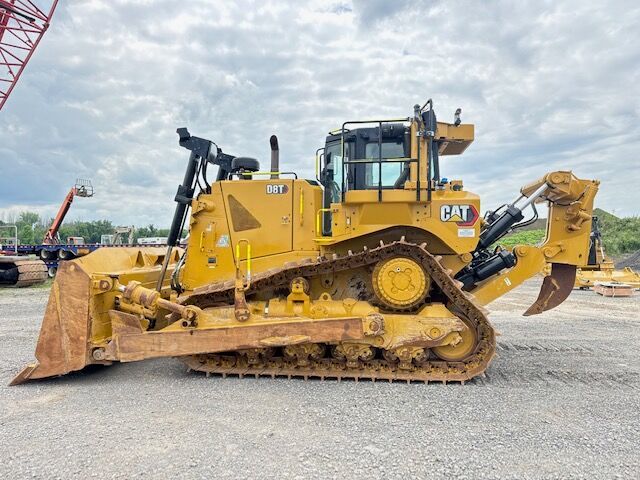
Cash flow is the lifeblood of every business. Revenue may look strong on paper, but if large equipment purchases drain available capital, daily operations can quickly become strained. For construction contractors, trucking fleets, medical practices, agricultural businesses, and growing startups, equipment is essential to generate revenue — but paying for it upfront can disrupt working capital and reduce financial flexibility.
This is where equipment financing becomes more than just funding. It becomes a cash flow strategy.
At Smart Business Credit, businesses are not just approved for funding — they are guided toward structured solutions that protect liquidity while supporting growth.
Why Cash Flow Matters More Than Profit
Many business owners focus heavily on profit margins. However, profit does not equal liquidity. A company can be profitable yet still struggle to pay vendors or payroll if too much cash is tied up in assets.
When comparing funding options, it’s important to understand the difference between equipment financing vs business loans. Traditional loans may provide lump-sum capital, but equipment financing is specifically structured around asset acquisition and repayment alignment.
Spreading equipment costs over time preserves working capital, ensuring businesses can continue operating smoothly.
Understanding Working Capital in Practical Terms
Working capital represents the money available for day-to-day operations. When a company pays cash for heavy machinery, trucks, medical equipment, or manufacturing tools, current assets immediately decline.
Instead of depleting reserves, structured financing converts large upfront costs into predictable monthly payments. If you’re unsure how lenders evaluate these transactions, reviewing how to apply for equipment financing provides helpful insight into the approval process.
By financing instead of paying cash, businesses maintain liquidity for operational needs such as:
- Payroll
- Inventory
- Marketing
- Emergency repairs
- Vendor payments
Turning Capital Expenses Into Strategic Growth Tools
Equipment purchases are capital expenditures designed to generate future revenue. The challenge is balancing long-term investment with short-term stability.
Businesses comparing financing structures often evaluate SBA loans vs private equipment loans to understand how repayment terms impact monthly cash flow. Some programs offer longer repayment terms to reduce monthly strain, while others prioritize lower overall cost.
The key is aligning payment schedules with revenue cycles.
For example:
- A contractor finances excavators and uses project income to cover installments.
- A trucking company finances fleet upgrades and offsets payments with delivery contracts.
- A dental practice finances imaging equipment and aligns payments with patient billing cycles.
In each case, financing preserves liquidity while enabling revenue expansion.
Avoiding Common Cash Flow Mistakes
One of the most frequent financial mistakes businesses make is overusing available cash for asset purchases. Doing so may reduce flexibility during slow seasons or economic downturns.
Before committing to funding, reviewing equipment financing mistakes to avoid can help protect reserves and improve long-term planning.
Maintaining healthy working capital ensures businesses can:
- Handle delayed client payments
- Manage seasonal dips
- Respond to emergencies
- Take advantage of growth opportunities
Predictable Payments Improve Forecasting
Financial forecasting becomes far more accurate when expenses are predictable. Fixed monthly payments allow businesses to budget with clarity.
Seasonal industries benefit significantly from structured payment plans. If revenue fluctuates throughout the year, seasonal business equipment financing options can align repayment schedules with peak earning periods.
This alignment strengthens cash flow consistency and reduces financial stress during slower months.
Expanding Without Straining Liquidity
Growth requires equipment. However, paying cash for expansion can restrict operational flexibility at a critical moment.
Structured financing enables companies to grow without sacrificing working capital. When timing matters, exploring fast equipment financing solutions can help secure approvals quickly while preserving liquidity.
Financing allows businesses to:
- Accept larger contracts
- Increase production capacity
- Upgrade outdated equipment
- Stay competitive in evolving markets
Financing Used Equipment Strategically
Used equipment often provides cost savings, but even discounted purchases can reduce liquidity if paid upfront.
This is where understanding how to finance used equipment becomes valuable. Financing pre-owned assets allows businesses to preserve capital while upgrading capabilities.
Keeping cash available strengthens overall financial stability.
Combining Financing With Tax Strategy
Cash flow management is not just about liquidity — it also includes tax planning.
Under current IRS guidelines, Section 179 allows businesses to deduct qualifying equipment purchases in the year they are placed into service. When combined with financing, companies can deduct the equipment cost while spreading payments over time.
To understand how this works in detail, review Section 179 equipment financing 2025 guidelines.
This combination supports both liquidity management and tax efficiency.
Supporting Small Businesses and Startups
Startups and small businesses often have limited reserves, making large purchases risky.
If you’re unsure about approval criteria, reviewing how to qualify for equipment financing as a small business provides clarity on lender expectations.
Structured financing allows startups to:
- Preserve startup capital
- Build revenue-generating capacity
- Establish credit history
- Avoid draining operational funds
Integrating Equipment Financing Into Broader Capital Strategy
Equipment financing should be viewed as one part of a broader financial plan. Many companies combine structured asset financing with revolving credit or working capital solutions.
For a wider perspective, explore business credit and funding solutions to understand how different funding tools work together.
When financing decisions are aligned with operational strategy, businesses maintain both growth momentum and financial stability.
Choosing the Right Financing Partner
Not all financing programs are structured equally. Terms, rates, and flexibility vary depending on industry, credit profile, and equipment type.
The right financing partner ensures:
- Competitive terms
- Clear repayment structures
- Industry-focused programs
- Cash flow alignment
To explore tailored options designed around your growth goals, visit Smart Business Credit’s equipment financing solutions.
Final Thoughts
Equipment financing is not simply about acquiring machinery. It directly impacts:
- Liquidity
- Working capital
- Financial forecasting
- Growth capacity
- Risk management
When structured correctly, financing strengthens cash flow rather than weakening it.
Preserving capital while expanding operations is one of the smartest financial strategies a business can adopt. With the right structure and the right partner, equipment financing becomes a tool for stability, scalability, and sustainable growth.
Get Pre Approved
No waiting, no guesswork. Pre-approval in under 24 hours when you reach out today.
Contact Us