How to Secure Equipment Financing for Your Small Business: A Complete Guide

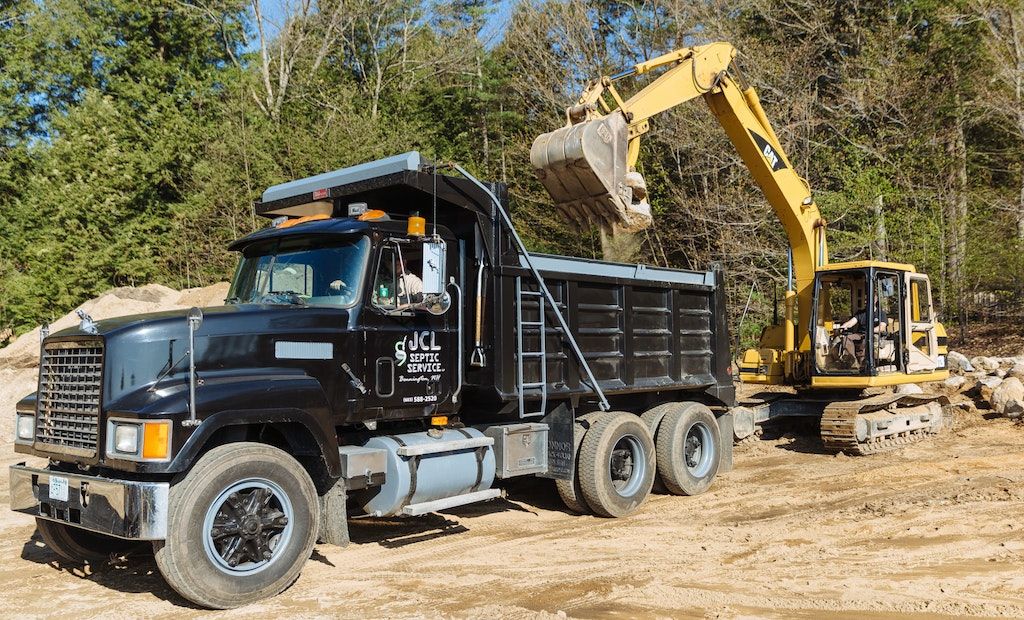
Securing the right financing for your small business is essential for growth, especially when it comes to purchasing or upgrading equipment. Whether you’re looking to buy new machinery or finance used equipment, understanding the options available to you can make a significant difference. In this article, we’ll walk you through everything you need to know about equipment financing, how to apply for it, and what mistakes to avoid along the way.
What Is Equipment Financing?
Equipment financing allows small businesses to purchase or lease the equipment they need to operate without the upfront cost. This type of financing provides you with the funds to acquire machinery, vehicles, or technology that can enhance your business operations while spreading the cost over time.
For a deeper understanding of how equipment financing works, visit our post on How to Apply for Equipment Financing.
Why Equipment Financing Is a Smart Choice for Small Businesses
When you need essential equipment for your business, buying outright may not always be feasible. Equipment financing allows you to get the necessary tools while preserving cash flow and avoiding significant debt. Plus, equipment financing offers other advantages:
- Preserves working capital: Keep cash on hand for day-to-day expenses.
- Flexible repayment terms: Choose the financing terms that best suit your budget.
- Tax benefits: Many equipment financing options are eligible for tax deductions under Section 179.
Explore the specific benefits of equipment financing in our post on Equipment Financing Benefits.
How to Choose Between SBA Loans and Private Equipment Loans
When deciding how to finance your equipment, you’ll need to consider whether to pursue a SBA loan or a private equipment loan. Both options have their pros and cons depending on your business’s needs.
- SBA loans offer low interest rates and long repayment terms but require more paperwork and time to process.
- Private equipment loans are typically quicker to obtain and may be more flexible but could have higher interest rates.
To help you choose the best option, check out our post on SBA Loans vs. Private Equipment Loans.
Common Mistakes to Avoid When Financing Equipment
While equipment financing offers many benefits, it’s essential to avoid common mistakes that can lead to financial strain. Here are a few mistakes to avoid:
- Overextending your budget: Ensure that the financing terms align with your business’s financial situation.
- Not researching lenders: Shop around for the best rates and terms.
- Ignoring hidden costs: Be aware of fees or penalties that may come with the financing.
For a detailed look at mistakes to avoid, visit our blog on Equipment Financing Mistakes to Avoid.
Finance Used Equipment: Is It a Good Option?
Financing used equipment can be a cost-effective solution for businesses that need to acquire machinery on a budget. However, there are certain risks involved, such as potential repairs and shorter lifespans compared to new equipment. Here’s what you need to consider:
- Condition of the equipment: Ensure the equipment is in good working condition and has been properly maintained.
- Cost savings: Used equipment can offer substantial savings over buying new, but it’s important to factor in potential maintenance costs.
To learn more about financing used equipment, read our post on Finance Used Equipment Guide.
Fast and Flexible Equipment Financing for Small Businesses
When you need equipment quickly, fast approval and flexible financing terms are essential. Fortunately, there are options available that offer fast equipment financing with flexible repayment terms, ensuring your business can get the equipment it needs without delay.
At Smart Business Credit, we specialize in fast equipment financing for small businesses. Explore our solutions for quick approval in our blog on Smart Business Credit: Fast Equipment Financing for Small Businesses.
Qualifying for Equipment Financing
To qualify for equipment financing, lenders typically look at factors such as your business’s credit score, financial history, and how long you've been in operation. While each lender has different requirements, having a solid credit history and a clear business plan will help improve your chances of approval.
Learn more about the qualifications needed for equipment financing in our blog on Qualify for Equipment Financing for Small Business.
Conclusion
Securing equipment financing is an excellent way to support your small business without depleting your working capital. By understanding the options available, avoiding common mistakes, and ensuring you select the right financing solution for your business, you can make informed decisions that benefit your company in the long run.
For more information on equipment financing and how it can help your business, check out our other blog posts on Business Equipment Financing and Equipment Financing for Small and Medium Businesses.
Get Pre Approved
No waiting, no guesswork. Pre-approval in under 24 hours when you reach out today.
Contact Us