Private Party Equipment Financing for Used Machinery Buyers

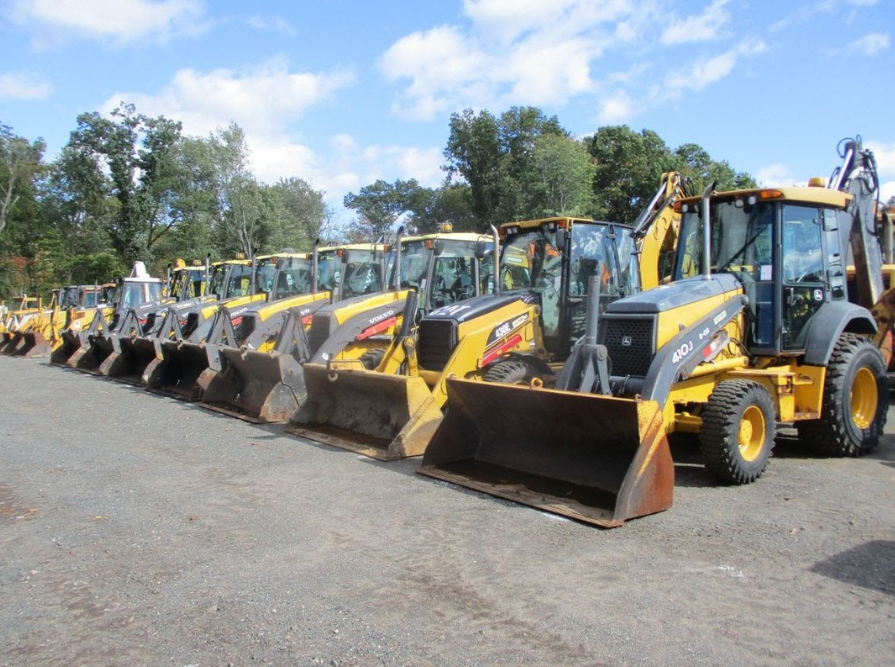
Private party equipment financing is a loan or lease used to buy commercial equipment from an individual or another business, rather than from a dealer. It may be possible to finance equipment bought from a private seller. A financing provider may review your business, the equipment, proof of ownership, any existing lien, and whether the price fits the equipment's condition. That extra verification is the main difference between a private-seller deal and a dealer purchase.
Private-party listings can arise across industries that use commercial equipment. For example, a contractor may sell a skid steer after a job, or an owner-operator may list a semi-truck when retiring. A private sale may offer a different price than a dealer listing, but you should confirm what paperwork, condition information, and warranty coverage, if any, come with the equipment. If you are weighing these trade-offs, our used equipment financing options page explains how pre-owned machinery purchases are generally approached. This guide walks through documents, title and lien checks, condition review, funding, and a buyer checklist.
Can You Finance Equipment Bought From a Private Seller?
Often yes. Financing equipment from an individual is a normal part of the used equipment market. The equipment commonly serves as collateral, so the questions are simple. Can the seller legally transfer ownership? Is the machine worth close to the agreed price? Can your business support the payment?
Eligibility and terms depend on the applicant, business profile, equipment, lender or program, and available documentation.
Get pre-approved before you negotiate. Pre-approval is a lender's early read on how much financing your business may qualify for, based on the information you submit. It tells you a realistic budget, and it signals to a private seller that you are a serious buyer.
How Is Private-Party Financing Different From Dealer Financing?
A dealer handles paperwork regularly. A private seller may be less familiar with the documentation needed for a financed sale. That changes who does the work and how long the deal takes.
| Area | Dealer purchase | Private seller purchase |
|---|---|---|
| Paperwork | Dealer may provide an invoice and transfer documents | Buyer may need to gather more seller and equipment documents |
| Ownership proof | Transfer documents are part of the sale process | Title and lien checks are a central step |
| Condition | Condition records and warranty terms vary by seller | Review the sale terms and arrange an inspection if appropriate |
| Funding | Funding steps vary by lender and transaction | The lender may request seller and ownership information before funding |
What Information May the Buyer and Seller Need?
Requirements vary by lender and program, so treat this as a general picture rather than a fixed list.
From the buyer
- Business details, such as your legal name, EIN, and time in business.
- Financial information the lender requests, which may include bank statements or tax returns.
- A clear description of the equipment, including make, model, year, hours or mileage, and serial or VIN number.
- Photos and any inspection or condition report you have gathered.
From the seller
- Proof of ownership, such as a title for titled assets or a purchase invoice for untitled machines.
- A signed bill of sale listing both parties, the equipment, the serial number, and the agreed price.
- Identification and payment details so funds can be sent to the correct person or entity.
- A payoff letter if a lender still holds a loan against the equipment. This letter states the balance owed and where to send it.
Title, Liens, and Proof of Ownership
A lien is a legal claim another lender has on the equipment because money is still owed on it. An unresolved lien can create a serious ownership problem. Before paying, confirm how any existing lien will be released, and consider obtaining legal or title guidance for the asset and state involved.
Many road-registered assets, such as semi-trucks and trailers, use state title records. Other equipment may not have a certificate of title, so ownership records and lien checks can vary by asset and state. For untitled equipment, ask for purchase records and verify the serial number. Ask the lender or a qualified professional what ownership and lien checks are appropriate for the equipment and state. Do not rely on an informal promise that a lien will be cleared after payment.
Can Used Equipment From an Individual Be Financed in Any Condition?
Not always. Condition and age affect both the lender's view and your real cost of ownership. Older machines with high hours can raise condition and valuation questions. Available terms and program options depend on the equipment and the financing provider.
You have two useful tools. An equipment inspection is a hands-on review by a qualified mechanic or inspection service. Its scope may include operating systems, visible wear, and other components relevant to the machine. An equipment appraisal is a written opinion of market value, which can help when the asking price looks unusual in either direction. For higher-value equipment, an inspection can help you identify condition concerns before you commit.
Ask for service and repair records and the reason for selling.
How Does Private Party Equipment Financing Pay the Seller?
The exact process depends on the lender and the deal, but the general sequence is familiar.
- First, apply and get pre-approved so you know your budget before you commit.
- Next, agree on a price and put it in a signed bill of sale with the serial number included.
- Then submit the seller and equipment documents so ownership and liens can be verified.
- Arrange an inspection or appraisal if the lender asks for one.
- Sign your financing documents and confirm the payment instructions for the seller.
- Finally, complete the lender's closing requirements and follow the written instructions for disbursement, any payoff, and ownership transfer.
Funding instructions vary by lender and transaction. Confirm in writing who will receive payment, what documents must be completed first, and how any existing lien will be released.
Private Seller vs Auction Purchases
Both are used equipment channels, but the pace differs. With a private seller you can negotiate, take time to inspect, and ask questions directly. Auction rules can move faster than a private sale. Review the auction's inspection opportunities, payment deadline, buyer fees, and pickup requirements before you bid. If you are comparing both routes, our guide on financing used auction equipment covers what changes when you buy at a sale. A broader used equipment buying guide helps if you are still deciding between new and pre-owned machinery.
What Should You Check Before Buying?
Run through these questions before you send a deposit:
- Does the seller's name match the title or original invoice?
- Is there any loan still owed on the machine, and who holds it?
- Does the serial or VIN number on the equipment match the paperwork?
- Have you inspected it in person or hired someone who did?
- Are hours or mileage consistent with the wear you can see?
- Is the price in line with comparable listings for that model and year?
- Have you budgeted for transport, repairs, insurance, and registration?
- Are you pre-approved, so the payment fits your cash flow?
Be cautious if a seller refuses an inspection, pushes for a fast wire transfer, or cannot produce ownership documents.
Frequently Asked Questions
Moving Forward With Private Party Equipment Financing
Buying from an individual can stretch your equipment budget, as long as you treat ownership and condition as seriously as price. Confirm the title or invoice, ask about liens, inspect the machine, and get pre-approved before you negotiate. With private party equipment financing, following that order can help you identify documentation, ownership, and condition questions before you commit to a used excavator, truck, or tractor.
Smart Business Credit is an independent equipment finance broker. To discuss a potential equipment purchase or start an application, visit Smart Business Credit.
Get Pre Approved
No waiting, no guesswork. Pre-approval in under 24 hours when you reach out today.
Contact Us