How Equipment Financing Supports Long-Term Business Expansion and Operational Stability

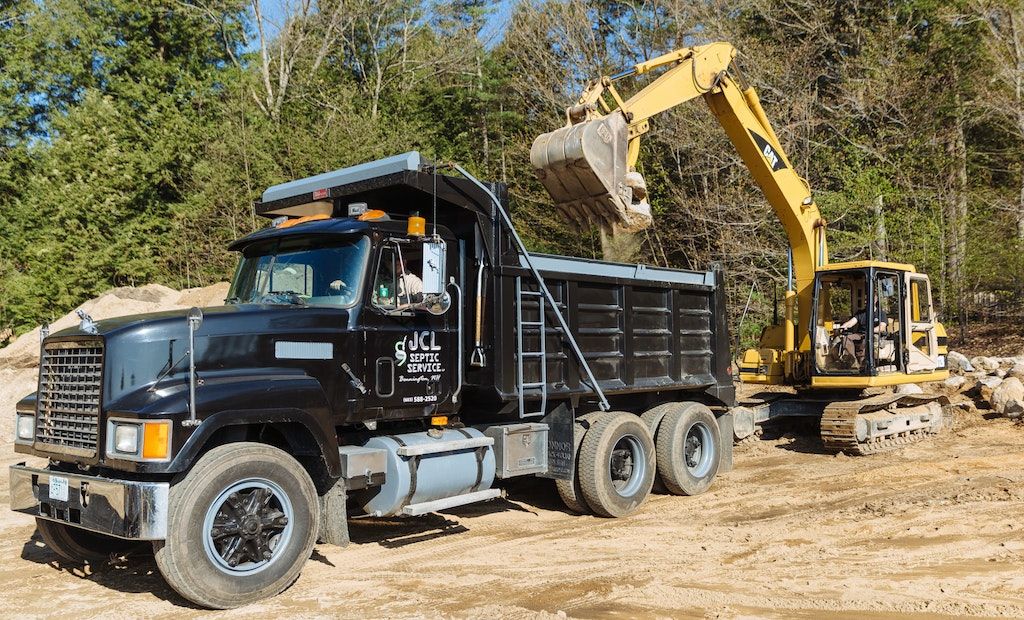
For many growing businesses, equipment is one of the largest investments required to maintain productivity and remain competitive. Whether a company operates in construction, transportation, agriculture, manufacturing, logistics, or healthcare, reliable equipment is essential for daily operations.
However, purchasing expensive machinery outright can place enormous pressure on working capital and limit future growth opportunities.
This is why equipment financing has become one of the most important financial tools for modern businesses. Instead of draining cash reserves, companies can spread costs over time while still accessing the equipment they need to operate efficiently.
Today, equipment financing is no longer viewed simply as a funding option—it is increasingly seen as a strategic growth solution.
Why Businesses Are Moving Away From Large Upfront Purchases
In the past, many companies preferred paying cash for equipment purchases whenever possible. While ownership remains important, modern business conditions have changed how companies approach capital investments.
Large upfront purchases can create challenges such as:
- Reduced operating cash flow
- Limited emergency reserves
- Delayed expansion opportunities
- Increased financial risk
- Difficulty adapting to market changes
Equipment financing helps solve these issues by allowing businesses to preserve liquidity while still upgrading operations.
This flexibility is especially valuable in industries where technology and machinery evolve quickly.
Businesses comparing financing methods often review resources like equipment financing vs business loans to determine which solution best supports long-term financial goals.
Equipment Financing Helps Preserve Working Capital
One of the biggest advantages of financing equipment is cash flow protection.
Working capital is essential for:
- Payroll
- Inventory purchases
- Fuel and transportation costs
- Marketing and growth initiatives
- Emergency repairs
- Seasonal operating expenses
When a business spends a large amount of cash on equipment, it can create operational strain in other areas.
Financing spreads costs into manageable monthly payments, allowing businesses to maintain stronger financial flexibility.
This strategy helps companies continue investing in growth instead of tying up cash in a single purchase.Companies seeking stronger financial flexibility often explore business credit funding solutions alongside equipment financing strategies.
Modern Businesses Need Operational Agility
Today’s business environment changes rapidly. Companies often need to scale operations quickly to meet customer demand or market opportunities.
Equipment financing supports agility by helping businesses:
- Upgrade machinery faster
- Expand fleets when demand increases
- Replace aging equipment efficiently
- Respond to seasonal workload changes
Instead of waiting years to accumulate enough cash for purchases, businesses can access equipment immediately and remain competitive.
This is particularly important in industries where downtime directly impacts revenue.
Businesses operating in seasonal industries may also benefit from insights shared in seasonal business equipment financing.
Financing Can Improve Productivity Faster
Outdated equipment often creates hidden operational costs.
Older machinery may lead to:
- Increased maintenance expenses
- Reduced fuel efficiency
- Higher repair downtime
- Lower productivity
- Safety concerns
Newer equipment often includes improved efficiency, automation, and performance capabilities.
Financing allows businesses to modernize operations sooner rather than delaying upgrades due to budget limitations.
Improved equipment performance can increase project speed, reduce downtime, and improve customer satisfaction.
Businesses planning upgrades can also review equipment financing benefits to better understand operational advantages.
Businesses Can Match Payments to Revenue Generation
One reason equipment financing is effective is because the equipment itself often helps generate the revenue needed to make payments.
For example:
- A contractor finances a new excavator that enables additional projects
- A trucking company finances trailers that expand delivery capacity
- A manufacturer upgrades machinery to increase production output
In these situations, the financed asset directly contributes to business growth and income generation.
This creates a more balanced financial structure compared to large upfront purchases.
Companies looking to improve liquidity often combine financing with strategies discussed in equipment financing cash flow working capital strategy.
Equipment Financing Supports Long-Term Growth Strategies
Growing businesses need financial strategies that support long-term expansion.
Equipment financing helps companies:
- Scale operations gradually
- Maintain stronger liquidity
- Expand into new markets
- Improve operational efficiency
- Increase production capacity
Rather than limiting growth due to cash constraints, financing creates opportunities for sustainable expansion.This is why many successful businesses use financing strategically even when they have available capital.Additional growth strategies can also be found in benefits of equipment financing for business growth.
Financing Options Continue Expanding
Modern equipment financing is more flexible than ever before.
Businesses now have access to:
- Equipment loans
- Leasing programs
- Vendor financing
- Flexible payment structures
- Seasonal payment options
- Financing for new and used equipment
These options allow businesses to choose solutions that align with their operational needs and revenue cycles.
For example, seasonal industries may benefit from payment structures that match peak income periods.
Businesses evaluating different financing structures may also benefit from reviewing SBA loans vs private equipment loans.
Used Equipment Financing Is Becoming More Popular
Many businesses are turning to used equipment as a cost-effective growth strategy.
Financing used equipment allows companies to:
- Reduce acquisition costs
- Expand fleets affordably
- Access equipment faster
- Preserve additional working capital
Businesses considering pre-owned machinery can learn more from finance used equipment guide and tips for financing used auction equipment.These financing approaches help businesses balance affordability with operational expansion.
Financing Helps Businesses Stay Competitive
Competition continues increasing across nearly every industry.
Companies that delay equipment upgrades may struggle with:
- Lower productivity
- Slower project completion
- Higher operating costs
- Reduced customer satisfaction
Modern equipment often improves:
- Efficiency
- Accuracy
- Safety
- Production speed
Financing gives businesses the ability to remain competitive without waiting years for capital accumulation.Businesses preparing for upgrades can also review how to apply for equipment financing to better understand the financing process.
Equipment Financing and Tax Planning
Equipment financing can also support broader tax planning strategies.
Certain financing structures may offer tax-related benefits depending on business circumstances and applicable regulations.
Many businesses explore financing alongside strategies such as:
- Depreciation planning
- Section 179 deductions
- Lease expense management
Businesses interested in tax-saving opportunities can review:
- how Section 179 works
- tax benefits of equipment leasing
- Section 179 equipment financing 2025
Businesses should always consult tax professionals for specific financial guidance.
Fast Approvals Help Reduce Delays
In many industries, timing is critical.
Construction companies, transportation providers, and agricultural businesses often cannot afford long equipment acquisition delays.
Modern financing solutions increasingly offer:
- Faster approvals
- Simplified applications
- Flexible documentation requirements
- Quicker funding timelines
This helps businesses avoid missed opportunities caused by equipment shortages or delayed purchases.
Companies needing faster approvals may benefit from reviewing:
- fast equipment financing
- equipment financing fast approval flexible equipment loans
Choosing the Right Financing Structure Matters
Not every financing solution fits every business.
Important considerations include:
- Monthly payment flexibility
- Equipment lifespan
- Interest structure
- Seasonal cash flow patterns
- Upgrade expectations
- Ownership goals
Some companies prioritize long-term ownership while others prefer shorter upgrade cycles.
Evaluating financing structures carefully helps businesses align equipment investments with long-term operational goals.Businesses exploring qualification requirements can also review qualify equipment financing small business.
Financing Can Reduce Business Risk
Large cash purchases create concentration risk by tying up significant capital in one asset.
Financing helps diversify financial exposure by preserving liquidity for:
- Unexpected repairs
- Market slowdowns
- Emergency operating costs
- Future investment opportunities
This flexibility can improve overall business resilience during uncertain economic conditions.Businesses can also reduce financial mistakes by reviewing equipment financing mistakes to avoid.
Technology Is Changing Equipment Financing
Digital lending technology is making financing more accessible for small and medium-sized businesses.
Modern financing platforms now offer:
- Online applications
- Digital document submission
- Faster credit reviews
- Simplified communication
These improvements reduce delays and make equipment financing easier for growing businesses.
The financing process itself has become more streamlined and business-friendly than traditional lending models.Businesses new to financing can start with guides like equipment financing for small business and business equipment financing solutions.
Final Thoughts
Equipment financing has evolved into a powerful business growth strategy that supports operational stability, expansion, and long-term competitiveness.
Instead of draining cash reserves through large upfront purchases, businesses can preserve working capital while still accessing the equipment needed to grow.
Whether financing new machinery, replacing aging equipment, or expanding operations, strategic financing solutions help companies remain flexible in an increasingly competitive market.
Businesses that approach equipment financing as part of a broader operational strategy are often better positioned for sustainable growth, stronger cash flow management, and long-term success.
Get Pre Approved
No waiting, no guesswork. Pre-approval in under 24 hours when you reach out today.
Contact Us