How Equipment Financing Helps Businesses Scale Without Draining Cash Reserves

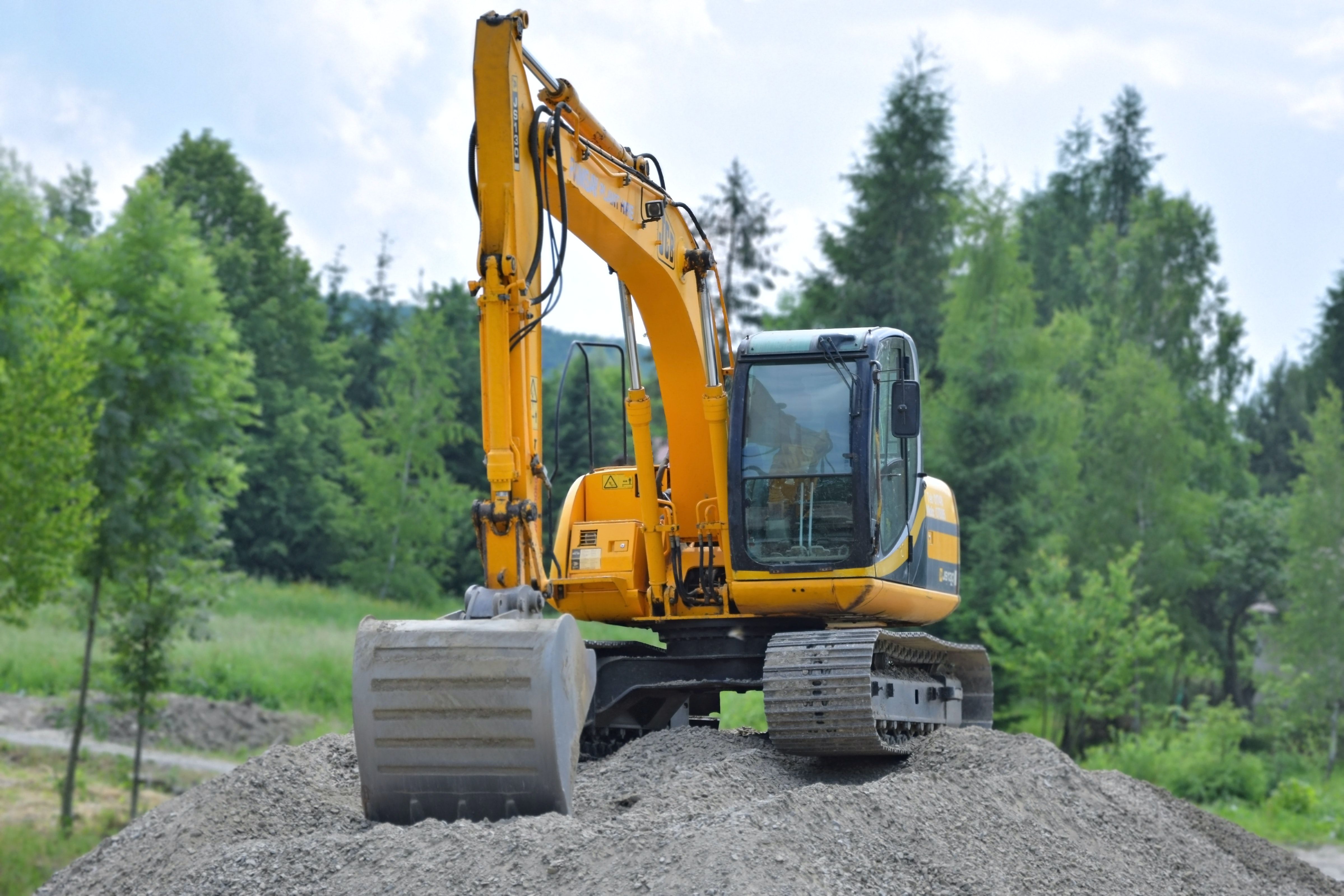
Growing a business requires constant investment. Whether a company needs heavy machinery, trucks, manufacturing systems, agricultural equipment, or specialized tools, equipment purchases can quickly become one of the largest expenses in any operation. For many businesses, paying the full cost upfront can create financial strain and limit growth opportunities.
This is where equipment financing becomes a strategic solution. Instead of tying up working capital in expensive purchases, businesses can spread costs over time while continuing to invest in operations, staffing, marketing, and expansion.
Modern financing solutions are helping companies across multiple industries acquire the equipment they need without disrupting cash flow. From startups and small businesses to established operations managing large fleets, financing provides flexibility that supports both short-term stability and long-term growth.
This article explores how equipment financing supports business scalability, protects cash reserves, and creates opportunities for sustainable expansion.
Why Equipment Investments Matter for Business Growth
Equipment plays a central role in operational performance. Outdated or inefficient machinery can slow productivity, increase maintenance costs, and reduce competitiveness.
Modern equipment helps businesses:
- Increase operational efficiency
- Improve production capacity
- Reduce downtime
- Enhance safety and compliance
- Support larger contracts and projects
However, acquiring high-value equipment often requires substantial capital. Many businesses delay upgrades because they are concerned about cash flow limitations or large upfront costs.
Equipment financing solves this challenge by allowing businesses to secure the tools they need while preserving liquidity.
What Is Equipment Financing?
Equipment financing is a funding solution that helps businesses purchase or lease equipment through structured payment plans.
Instead of paying the full amount upfront, companies make manageable monthly payments over a fixed period.
Financing can be used for:
- Construction equipment
- Commercial trucks
- Agricultural machinery
- Manufacturing systems
- Medical equipment
- Technology systems
- Specialized industry equipment
Businesses often use financing to maintain cash reserves while still upgrading operations.
For companies comparing options, the article on equipment financing vs business loans explains how financing structures differ from traditional lending solutions.
Preserving Cash Flow Through Financing
Cash flow is one of the most important factors in business survival and growth. Even profitable companies can face operational challenges if too much capital is tied up in large purchases.
How Financing Protects Cash Flow
When businesses finance equipment rather than buying outright, they can:
- Keep cash available for daily operations
- Cover payroll and inventory expenses
- Invest in marketing and expansion
- Handle unexpected costs more effectively
This flexibility becomes especially important during periods of growth or seasonal fluctuations.
Companies managing fluctuating revenue cycles often benefit from strategies discussed in equipment financing cash flow working capital strategy.
Supporting Business Expansion Without Delays
Growth opportunities often require quick decisions. Businesses may need additional equipment to:
- Take on larger contracts
- Expand into new markets
- Increase production capacity
- Replace outdated machinery
Waiting to accumulate enough cash for a purchase can delay expansion and reduce competitiveness.
Equipment financing allows businesses to move quickly without waiting years to save for large purchases.
Why Financing Is Popular Among Small Businesses
Small and medium-sized businesses often operate with tighter budgets than larger corporations. Financing helps level the playing field by making advanced equipment more accessible.
Benefits for small businesses include:
- Lower upfront costs
- Flexible payment structures
- Faster access to equipment
- Improved scalability
The guide on equipment financing for small business explores how financing helps smaller operations remain competitive in demanding industries.
Financing New vs Used Equipment
Businesses today have more options than ever when choosing equipment. Depending on operational goals and budgets, companies may choose between new and used machinery.
Advantages of Financing New Equipment
- Latest technology and efficiency features
- Lower maintenance costs initially
- Longer expected lifespan
- Improved reliability
Advantages of Financing Used Equipment
- Lower purchase prices
- Reduced depreciation impact
- Faster return on investment
The article on finance used equipment guide provides additional insights into financing previously owned machinery.
Equipment Financing and Tax Advantages
Financing can also provide potential tax benefits for businesses.
Depending on applicable tax laws and business structures, financed equipment may qualify for deductions related to:
- Depreciation
- Interest expenses
- Section 179 deductions
Many businesses use financing strategically to improve tax efficiency while upgrading operations.
Fast Approval Processes Help Businesses Move Quickly
In many industries, timing is critical. Delays in acquiring equipment can lead to missed opportunities, reduced productivity, or project interruptions.
Modern lenders now offer streamlined approval processes that allow businesses to secure funding faster than traditional bank loans.
Benefits of fast financing approvals include:
- Faster equipment acquisition
- Reduced operational delays
- Greater flexibility for urgent projects
Businesses seeking rapid funding solutions often explore:
Common Mistakes Businesses Should Avoid
While financing offers major advantages, poor planning can create unnecessary financial pressure.
Common Financing Mistakes
1. Borrowing More Than Necessary
Businesses should focus on equipment that supports realistic operational needs rather than overextending budgets.
2. Ignoring Total Ownership Costs
Beyond monthly payments, companies should consider:
- Maintenance
- Insurance
- Fuel or operational expenses
- Downtime risks
3. Choosing the Wrong Financing Structure
Not all financing solutions fit every business model.
4. Failing to Compare Terms
Interest rates, repayment schedules, and approval requirements vary significantly between lenders.The article on equipment financing mistakes to avoid explains how businesses can avoid costly financing decisions.
Seasonal Businesses and Flexible Financing
Seasonal businesses often experience fluctuating revenue cycles that make large upfront purchases difficult.
Industries such as:
- Agriculture
- Landscaping
- Construction
- Tourism
may benefit from flexible financing structures that align with seasonal income patterns. The guide on seasonal business equipment financing discusses financing strategies designed for cyclical operations.
Financing Specialized Equipment
Certain industries require highly specialized equipment that comes with substantial costs.
Examples include:
- Directional drilling rigs
- Commercial transportation equipment
- Auction-purchased machinery
- Specialized manufacturing systems
Financing allows businesses to acquire these assets without major disruptions to working capital.
Building Long-Term Financial Stability
Equipment financing is not only about acquiring machinery. It can also support broader financial planning goals.
Strategic financing helps businesses:
- Maintain stronger cash reserves
- Improve operational predictability
- Support controlled expansion
- Balance growth with financial stability
When structured correctly, financing becomes part of a long-term growth strategy rather than simply a short-term funding tool.
The Role of Financing in Competitive Industries
Industries today move quickly, and businesses that fail to modernize equipment may struggle to remain competitive.
New equipment often improves:
- Efficiency
- Fuel consumption
- Automation capabilities
- Production speed
- Safety compliance
Financing allows businesses to stay current with industry standards while preserving operational flexibility.
Choosing the Right Financing Partner
Not all lenders offer the same level of service, flexibility, or industry understanding.
Businesses should look for financing partners that provide:
- Transparent terms
- Flexible funding structures
- Industry expertise
- Fast approval processes
- Strong customer support
The right financing provider can simplify the funding process and help businesses secure solutions tailored to their operational needs.
Future Trends in Equipment Financing
The equipment financing industry continues evolving with new technologies and business demands.
Emerging trends include:
- Digital loan applications
- Faster automated approvals
- Flexible repayment structures
- AI-driven risk analysis
- Industry-specific financing solutions
These innovations are making financing more accessible for businesses of all sizes.
Final Thoughts
Equipment financing has become an essential tool for businesses seeking growth without sacrificing financial stability. Instead of draining cash reserves on large purchases, companies can preserve working capital while accessing the equipment needed to improve productivity and expand operations.
From startups and seasonal businesses to established companies managing large fleets, financing offers flexibility that supports both short-term needs and long-term goals.
By choosing the right financing strategy, businesses can strengthen cash flow, improve operational efficiency, and position themselves for sustainable growth in increasingly competitive markets.Meta Title: How Equipment Financing Helps Businesses Scale Without Draining Cash Reserves
Meta Description: Learn how equipment financing helps businesses preserve cash flow, upgrade operations, and support long-term growth with flexible funding solutions.
Permalink: /equipment-financing-business-growth-cash-flow-strategy
How Equipment Financing Helps Businesses Scale Without Draining Cash Reserves
Growing a business requires constant investment. Whether a company needs heavy machinery, trucks, manufacturing systems, agricultural equipment, or specialized tools, equipment purchases can quickly become one of the largest expenses in any operation. For many businesses, paying the full cost upfront can create financial strain and limit growth opportunities.
This is where equipment financing becomes a strategic solution. Instead of tying up working capital in expensive purchases, businesses can spread costs over time while continuing to invest in operations, staffing, marketing, and expansion.
Modern financing solutions are helping companies across multiple industries acquire the equipment they need without disrupting cash flow. From startups and small businesses to established operations managing large fleets, financing provides flexibility that supports both short-term stability and long-term growth.
This article explores how equipment financing supports business scalability, protects cash reserves, and creates opportunities for sustainable expansion.
Why Equipment Investments Matter for Business Growth
Equipment plays a central role in operational performance. Outdated or inefficient machinery can slow productivity, increase maintenance costs, and reduce competitiveness.
Modern equipment helps businesses:
- Increase operational efficiency
- Improve production capacity
- Reduce downtime
- Enhance safety and compliance
- Support larger contracts and projects
However, acquiring high-value equipment often requires substantial capital. Many businesses delay upgrades because they are concerned about cash flow limitations or large upfront costs.
Equipment financing solves this challenge by allowing businesses to secure the tools they need while preserving liquidity.
What Is Equipment Financing?
Equipment financing is a funding solution that helps businesses purchase or lease equipment through structured payment plans.
Instead of paying the full amount upfront, companies make manageable monthly payments over a fixed period.
Financing can be used for:
- Construction equipment
- Commercial trucks
- Agricultural machinery
- Manufacturing systems
- Medical equipment
- Technology systems
- Specialized industry equipment
Businesses often use financing to maintain cash reserves while still upgrading operations.
For companies comparing options, the article on equipment financing vs business loans explains how financing structures differ from traditional lending solutions.
Preserving Cash Flow Through Financing
Cash flow is one of the most important factors in business survival and growth. Even profitable companies can face operational challenges if too much capital is tied up in large purchases.
How Financing Protects Cash Flow
When businesses finance equipment rather than buying outright, they can:
- Keep cash available for daily operations
- Cover payroll and inventory expenses
- Invest in marketing and expansion
- Handle unexpected costs more effectively
This flexibility becomes especially important during periods of growth or seasonal fluctuations.
Companies managing fluctuating revenue cycles often benefit from strategies discussed in equipment financing cash flow working capital strategy.
Supporting Business Expansion Without Delays
Growth opportunities often require quick decisions. Businesses may need additional equipment to:
- Take on larger contracts
- Expand into new markets
- Increase production capacity
- Replace outdated machinery
Waiting to accumulate enough cash for a purchase can delay expansion and reduce competitiveness.
Equipment financing allows businesses to move quickly without waiting years to save for large purchases.
Why Financing Is Popular Among Small Businesses
Small and medium-sized businesses often operate with tighter budgets than larger corporations. Financing helps level the playing field by making advanced equipment more accessible.
Benefits for small businesses include:
- Lower upfront costs
- Flexible payment structures
- Faster access to equipment
- Improved scalability
The guide on equipment financing for small business explores how financing helps smaller operations remain competitive in demanding industries.
Financing New vs Used Equipment
Businesses today have more options than ever when choosing equipment. Depending on operational goals and budgets, companies may choose between new and used machinery.
Advantages of Financing New Equipment
- Latest technology and efficiency features
- Lower maintenance costs initially
- Longer expected lifespan
- Improved reliability
Advantages of Financing Used Equipment
- Lower purchase prices
- Reduced depreciation impact
- Faster return on investment
The article on finance used equipment guide provides additional insights into financing previously owned machinery.
Equipment Financing and Tax Advantages
Financing can also provide potential tax benefits for businesses.
Depending on applicable tax laws and business structures, financed equipment may qualify for deductions related to:
- Depreciation
- Interest expenses
- Section 179 deductions
Many businesses use financing strategically to improve tax efficiency while upgrading operations.
Fast Approval Processes Help Businesses Move Quickly
In many industries, timing is critical. Delays in acquiring equipment can lead to missed opportunities, reduced productivity, or project interruptions.
Modern lenders now offer streamlined approval processes that allow businesses to secure funding faster than traditional bank loans.
Benefits of fast financing approvals include:
- Faster equipment acquisition
- Reduced operational delays
- Greater flexibility for urgent projects
Businesses seeking rapid funding solutions often explore:
Common Mistakes Businesses Should Avoid
While financing offers major advantages, poor planning can create unnecessary financial pressure.
Common Financing Mistakes
- Borrowing More Than Necessary Businesses should focus on equipment that supports realistic operational needs rather than overextending budgets.
- Ignoring Total Ownership Costs Beyond monthly payments, companies should consider:
- Maintenance
- Insurance
- Fuel or operational expenses
- Downtime risks
- Choosing the Wrong Financing Structure Not all financing solutions fit every business model.
- Failing to Compare Terms Interest rates, repayment schedules, and approval requirements vary significantly between lenders. The article on equipment financing mistakes to avoid explains how businesses can avoid costly financing decisions.
Seasonal Businesses and Flexible Financing
Seasonal businesses often experience fluctuating revenue cycles that make large upfront purchases difficult.
Industries such as:
- Agriculture
- Landscaping
- Construction
- Tourism
may benefit from flexible financing structures that align with seasonal income patterns. The guide on seasonal business equipment financing discusses financing strategies designed for cyclical operations.
Financing Specialized Equipment
Certain industries require highly specialized equipment that comes with substantial costs.
Examples include:
- Directional drilling rigs
- Commercial transportation equipment
- Auction-purchased machinery
- Specialized manufacturing systems
Financing allows businesses to acquire these assets without major disruptions to working capital.
Building Long-Term Financial Stability
Equipment financing is not only about acquiring machinery. It can also support broader financial planning goals.
Strategic financing helps businesses:
- Maintain stronger cash reserves
- Improve operational predictability
- Support controlled expansion
- Balance growth with financial stability
When structured correctly, financing becomes part of a long-term growth strategy rather than simply a short-term funding tool.
The Role of Financing in Competitive Industries
Industries today move quickly, and businesses that fail to modernize equipment may struggle to remain competitive.
New equipment often improves:
- Efficiency
- Fuel consumption
- Automation capabilities
- Production speed
- Safety compliance
Financing allows businesses to stay current with industry standards while preserving operational flexibility.
Choosing the Right Financing Partner
Not all lenders offer the same level of service, flexibility, or industry understanding.
Businesses should look for financing partners that provide:
- Transparent terms
- Flexible funding structures
- Industry expertise
- Fast approval processes
- Strong customer support
The right financing provider can simplify the funding process and help businesses secure solutions tailored to their operational needs. Smart Business Credit is one such resource, helping businesses navigate financing options and connect with solutions that fit their specific goals and operational needs.
Future Trends in Equipment Financing
The equipment financing industry continues evolving with new technologies and business demands.
Emerging trends include:
- Digital loan applications
- Faster automated approvals
- Flexible repayment structures
- AI-driven risk analysis
- Industry-specific financing solutions
These innovations are making financing more accessible for businesses of all sizes.
Final Thoughts
Equipment financing has become an essential tool for businesses seeking growth without sacrificing financial stability. Instead of draining cash reserves on large purchases, companies can preserve working capital while accessing the equipment needed to improve productivity and expand operations.
From startups and seasonal businesses to established companies managing large fleets, financing offers flexibility that supports both short-term needs and long-term goals.
By choosing the right financing strategy, businesses can strengthen cash flow, improve operational efficiency, and position themselves for sustainable growth in increasingly competitive markets.
Get Pre Approved
No waiting, no guesswork. Pre-approval in under 24 hours when you reach out today.
Contact Us