How to Build a Smart Equipment Financing Strategy for Long-Term Business Growth

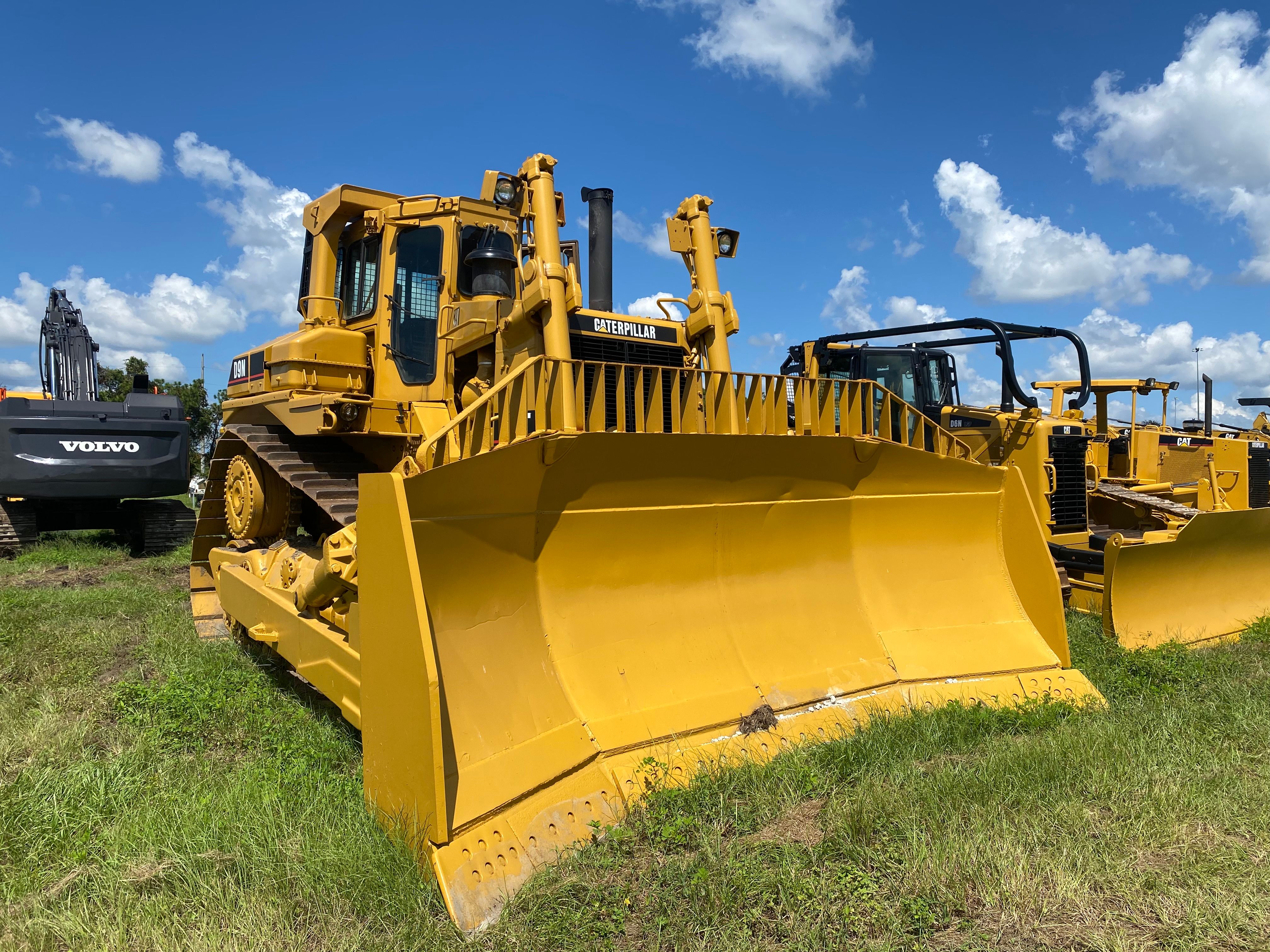
Equipment is the backbone of many businesses from construction and transportation to manufacturing and logistics. However, purchasing equipment outright can strain cash flow and limit your ability to grow.
This is where a smart equipment financing strategy becomes essential. Instead of viewing financing as just a way to acquire machinery, successful businesses use it as a strategic financial tool to scale operations, preserve capital, and stay competitive.This guide will help you take things further by building a complete, growth-focused financing strategy.
Why Equipment Financing Should Be Strategic (Not Just Tactical)
Many business owners treat equipment financing as a one-time decision—something they only think about when they need new machinery. However, this approach can limit long-term growth.
A strategic approach focuses on:
- Aligning financing with business goals
- Managing cash flow effectively
- Planning for future expansion
- Maximizing tax and financial benefits
Businesses that adopt this mindset are better positioned to scale efficiently and respond to market opportunities.
Understanding the Role of Cash Flow in Equipment Financing
Cash flow is one of the most critical factors in any business. Even profitable companies can struggle if their cash flow is not managed properly.
Equipment financing allows businesses to:
- Spread costs over time
- Maintain working capital
- Avoid large upfront expenses
To better understand how financing supports liquidity, revisit Equipment Financing Cash Flow Working Capital Strategy
By preserving cash, businesses can invest in marketing, hiring, and operations key drivers of growth.
Align Financing with Business Goals
Before choosing any financing option, define your business objectives.
Ask Yourself:
- Are you expanding operations?
- Replacing outdated equipment?
- Entering a new market?
Your goals will determine the type of financing structure that works best.
For example:
- Short-term growth may require flexible financing
- Long-term expansion may benefit from structured loans or leases
Choose the Right Financing Structure
There are multiple financing options available, each with its own advantages.
Common Options Include:
- Equipment loans
- Leasing agreements
- Lines of credit
- Vendor financing
Each option impacts your cash flow, ownership, and tax benefits differently.
For a deeper comparison, check SBA Loans vs Private Equipment Loans
Choosing the right structure is critical to building a sustainable strategy.
Time Your Financing Decisions
Timing plays a major role in maximizing the benefits of equipment financing.
Key Timing Factors:
- Market demand
- Seasonal business cycles
- Equipment availability
- Interest rate trends
For businesses with fluctuating demand, seasonal planning is essential.
Learn more here Seasonal Business Equipment Financing
Strategic timing helps you secure better terms and improve ROI.
Leverage Tax Advantages
One of the biggest advantages of equipment financing is the potential tax benefits.
Programs like Section 179 allow businesses to deduct the full purchase price of qualifying equipment.Using these incentives can significantly reduce your overall cost.
Plan for Equipment Lifecycle Management
Equipment has a lifecycle from acquisition to replacement. A smart strategy considers this entire lifecycle.
Key Stages:
- Acquisition
- Maintenance
- Upgrades
- Replacement
Financing should align with how long you plan to use the equipment.
For example:
- Short-term use → leasing
- Long-term use → ownership
Planning ahead prevents unnecessary costs and ensures operational efficiency.
Maintain Flexibility in Financing
Business conditions can change quickly. A rigid financing structure can limit your ability to adapt.
Look for Flexible Features:
- Early payoff options
- Adjustable payment terms
- Upgrade opportunities
Flexibility allows you to respond to growth opportunities or unexpected challenges without financial strain.
Avoid Overleveraging
While financing provides access to capital, taking on too much debt can create risk.
Warning Signs of Overleveraging:
- High monthly payment obligations
- Reduced cash flow
- Difficulty covering operating expenses
Balance is key to finance what you need, but avoid unnecessary debt.
Evaluate New vs Used Equipment Financing
Choosing between new and used equipment can significantly impact your financing strategy.
New Equipment:
- Higher cost
- Longer lifespan
- Better efficiency
Used Equipment:
- Lower upfront cost
- Faster ROI
- Potential maintenance risks
For detailed insights, revisit Finance Used Equipment Guide
Your decision should align with your budget, usage, and long-term goals.
Strengthen Your Financing Profile
Lenders evaluate several factors before approving financing.
Key Factors Include:
- Credit score
- Business revenue
- Time in business
- Financial stability
Improving these areas increases your chances of securing better terms.
To learn more, check Qualify Equipment Financing Small Business
Partner with the Right Financing Provider
Choosing the right financing partner is just as important as choosing the right equipment.
A Good Provider Offers:
- Fast approvals
- Flexible terms
- Competitive rates
- Expert guidance
Working with experienced providers ensures you get solutions tailored to your business needs.
Common Mistakes That Can Hurt Your Strategy
Even with the best intentions, businesses often make mistakes when financing equipment.
1. Focusing Only on Monthly Payments
Low payments may seem attractive but can lead to higher long-term costs.
2. Ignoring Total Cost of Ownership
Maintenance, repairs, and downtime can add significant expenses.
3. Lack of Planning
Financing without a clear strategy leads to inefficiencies.
4. Choosing the Wrong Financing Option
Not all financing solutions are suitable for every business.
How Equipment Financing Drives Business Growth
When used strategically, equipment financing becomes a powerful growth tool.
Key Benefits:
- Enables faster expansion
- Improves operational efficiency
- Preserves working capital
- Increases competitiveness
Businesses that leverage financing effectively can scale faster and outperform competitors.
The Future of Equipment Financing
The equipment financing landscape is evolving with new trends and technologies.
Emerging Trends:
- Digital lending platforms
- Faster approval processes
- Data-driven risk assessment
- Flexible financing models
These advancements are making financing more accessible and efficient for businesses of all sizes.
How Smart Business Credit Supports Your Growth
Smart Business Credit provides tailored financing solutions designed to help businesses succeed.
Key Advantages:
- Fast and flexible approvals
- Customized financing options
- Expert support
- Solutions for small and medium businesses
Whether you need new equipment or want to upgrade existing assets, having the right financing partner makes all the difference.
Final Thoughts
Building a smart equipment financing strategy is about more than securing funds—it’s about creating a foundation for long-term success.
By focusing on:
- Cash flow management
- Strategic planning
- Flexibility
- Risk control
you can turn equipment financing into a powerful tool for growth.
In today’s competitive business environment, the companies that succeed are those that use financing not just as a necessity but as a strategic advantage.
Get Pre Approved
No waiting, no guesswork. Pre-approval in under 24 hours when you reach out today.
Contact Us